How Encino Pet Hospital Supports Your Senior Dog or Cat at Every Stage
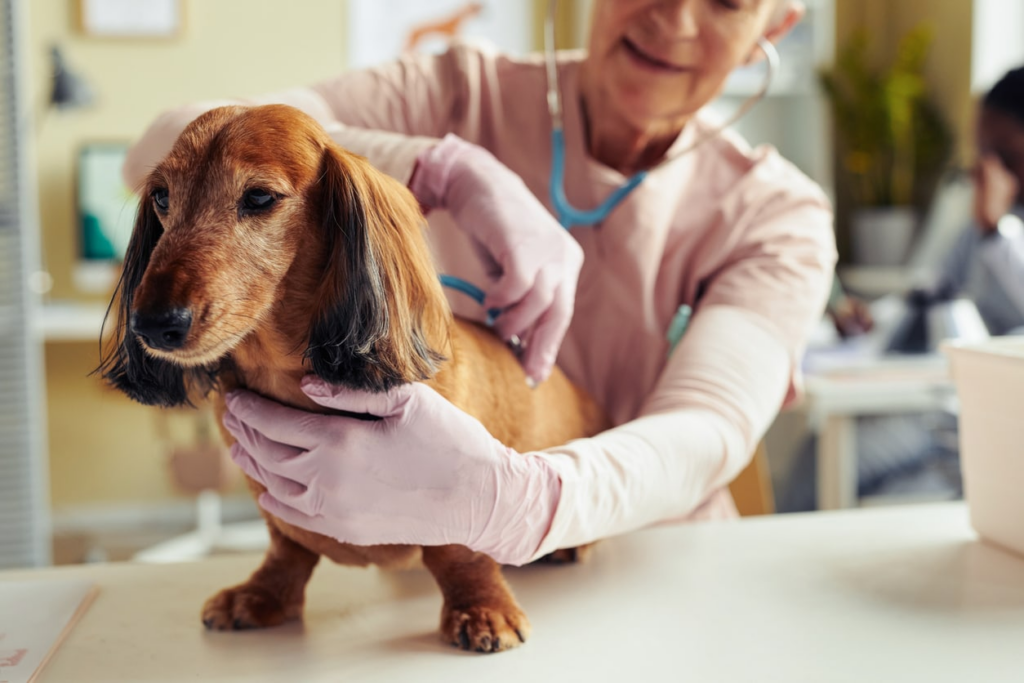
Getting older looks different for every pet. Some dogs slow down gradually over the years. Some cats seem fine one month and noticeably different the next. Senior pets don’t follow a predictable script, and their healthcare shouldn’t either.
What senior dogs and cats need most is a veterinary team that pays attention. Not a team running through a standard checklist. A team that actually knows the individual animal, tracks changes over time, and adjusts care as the pet’s needs evolve.
That is exactly what Encino Pet Hospital and Emergency provides for senior pets across Encino and the San Fernando Valley: consistent, relationship-driven care that grows and adapts alongside your aging dog or cat.
Here is what that support actually looks like in practice.
When Does a Pet Become a Senior?
This is one of the most common questions pet owners ask, and the answer varies more than most people expect.
For dogs, the answer depends heavily on size and breed. Small breeds like Chihuahuas and Dachshunds are generally considered senior around 10 to 12 years of age. Medium breeds like Beagles and Cocker Spaniels reach senior status around 8 to 10 years. Large and giant breeds age faster; many are considered senior by 6 to 7 years old.
For cats, the transition typically begins around 10 to 11 years of age. Cats aged 15 and above are considered geriatric, a life stage that brings its own specific set of health considerations.
Knowing where your pet falls on that timeline helps you and your vet make proactive decisions rather than reactive ones.
More Frequent Visits: Why They Matter More Than Ever
The single most impactful change in a senior pet’s healthcare routine is visit frequency.
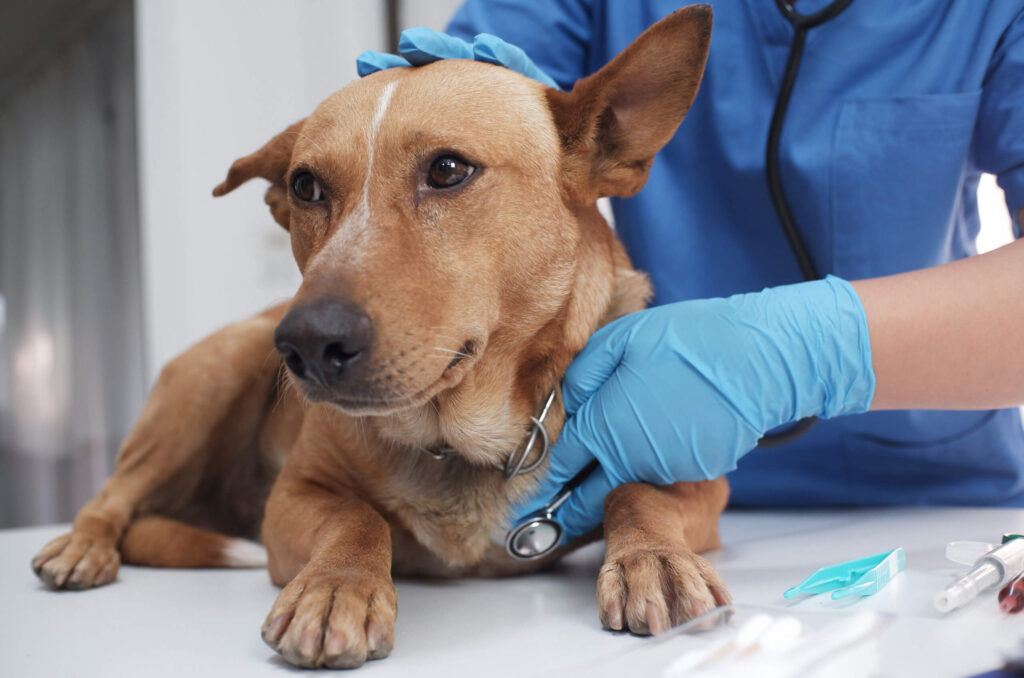
Healthy adult pets typically need annual wellness exams. Senior pets benefit significantly from visiting the vet twice a year, and in some cases more frequently depending on their health status.
The reason is straightforward. Conditions that are common in older animals, such as kidney disease, hyperthyroidism in cats, arthritis, diabetes, and cardiac disease, can develop and progress quickly. A condition caught at a six-month check-in is in a very different place than one caught a full year later.
At senior pet wellness exams in Encino, the veterinary team conducts a thorough physical assessment at every visit, tracking changes in weight, coat condition, mobility, organ function, and overall demeanor that build a meaningful picture of how your pet is aging over time.
Blood Work and Diagnostics: The Window Into What You Cannot See
Physical examination tells you a lot. It does not tell you everything.
For senior pets, regular blood panels and urinalysis are an essential part of wellness care. These tests reveal what is happening inside your pet’s body at an organ level, information that no external exam can provide.
Kidney function, liver health, thyroid levels, blood glucose, red and white blood cell counts, all of these markers give the veterinary team early warning of conditions that have not yet produced visible symptoms. And in senior pets, catching these conditions early is what makes the difference between manageable and serious.
In-house pet diagnostics in Encino at Encino Pet Hospital and Emergency mean results come back the same day. No waiting for an external lab. No sending your senior pet to multiple facilities. Faster answers mean faster decisions, and for older animals, that speed genuinely matters.
Pain Management: The Most Overlooked Part of Senior Pet Care
Older pets hurt more than they let on.
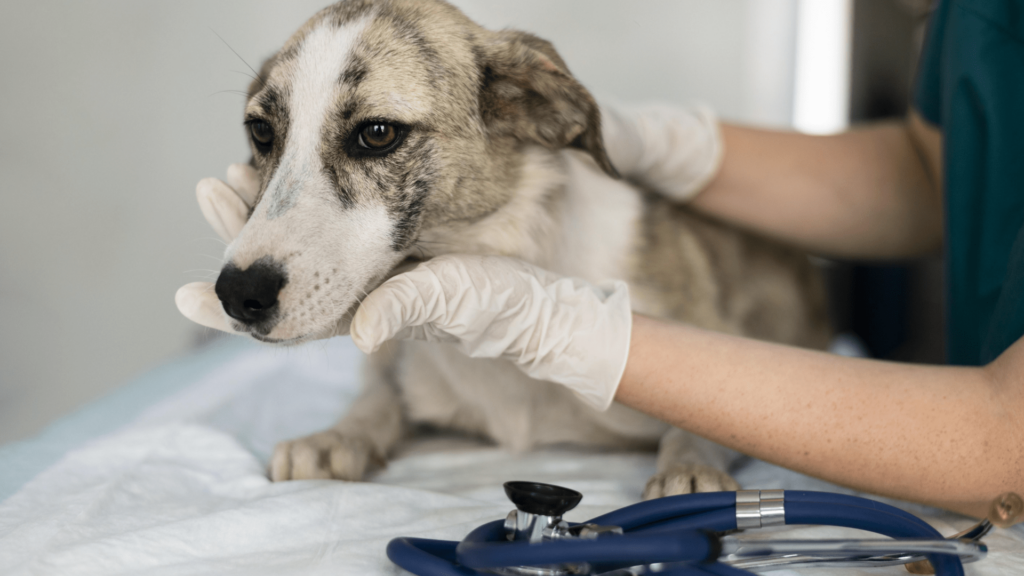
Arthritis is one of the most common conditions in senior dogs and cats, and one of the most consistently underdiagnosed. Pets are instinctively wired to hide discomfort. By the time an owner notices obvious limping or reluctance to move, the condition has often been present and progressing for months.
Subtle signs of pain in senior pets include:
- Reluctance to jump onto furniture or climb stairs they previously managed easily
- Stiffness after rest that improves with movement
- Changes in gait or posture
- Reduced grooming in cats, particularly around hard-to-reach areas
- Increased irritability or withdrawal from interaction
- Sleeping more than usual or seeming restless at night
A veterinary team that knows your pet well is far more likely to notice these changes than one seeing them for the first time. Pain management options for senior pets have expanded significantly and include anti-inflammatory medications, joint supplements, weight management protocols, and, in some cases, physical rehabilitation.
The goal is not just the length of life. It is quality of life, and addressing pain is central to that goal.
Nutrition and Weight Management
Body weight has an enormous impact on a senior pet’s health and comfort.
Excess weight puts additional pressure on already aging joints. It increases the risk of diabetes. It strains the heart and kidneys. And it reduces mobility, which creates a cycle of reduced activity and further weight gain.
At the same time, some senior pets lose weight unexpectedly, a sign that something else may be going on internally. Hyperthyroidism in cats is one of the most common causes of weight loss in older felines despite maintained or increased appetite.
Senior pet nutrition is not a one-size-fits-all topic. The right diet depends on your individual pet’s weight, health conditions, activity level, and the specific findings from their most recent bloodwork.
The veterinary team at Encino Pet Hospital and Emergency discusses pet nutritional counselling in Encino as a standard part of every senior wellness visit because what your pet eats directly shapes how well they age.
Dental Care: Still Essential in Senior Years
Dental disease does not pause because a pet is getting older. In fact, it often becomes more significant with age and more consequential.
Untreated dental infection in senior pets can spread to the kidneys, liver, and heart, organs that may already be under strain from age-related conditions. Regular dental assessments and professional cleanings remain important in senior pets, though the approach may be adjusted based on overall health status and anesthetic risk.
The veterinary team will always conduct a thorough pre-anesthetic assessment before any dental procedure for a senior pet, including bloodwork and a cardiac evaluation, to ensure the safest possible experience.
Adjusting Vaccine Protocols for Senior Pets
Vaccination continues to matter in senior pets, but the approach becomes more individualized.
Most senior dogs and cats continue with core vaccines on their standard schedule. However, pets managing certain health conditions, such as kidney disease, immune disorders, or significant organ compromise, may have specific vaccines deferred or modified based on their current health status.
This is a conversation that happens at every pet vaccination appointment in Encino, not a decision made once and never revisited. A vet who knows your senior pet’s full history is best placed to make these nuanced calls accurately.
The Role of Continuity in Senior Pet Care
Here is something that matters more in senior care than at any other life stage: the value of a veterinary team that has known your pet for years.
A vet who has seen your dog or cat through their adult years carries context that no new clinic can acquire quickly. They know what your pet’s normal looks like. They have baseline blood values to compare against. They remember the subtle behavioral shift you mentioned at last year’s visit.
That continuity shapes every decision in senior care. It is the difference between a vet who is reacting to what they see today and a vet who is tracking a meaningful pattern across time.
For senior pet owners across Encino, Sherman Oaks, Tarzana, and the wider San Fernando Valley, building and maintaining that relationship with a consistent local practice is one of the most genuinely protective things you can do for an aging dog or cat.
Your senior pet deserves a veterinary team that truly knows them.
Visit Encino Pet Hospital and Emergency for an appointment, and let our experienced team build a personalized care plan that keeps your aging dog or cat comfortable, healthy, and thriving at every stage. Get directions here and bring your senior pet in today!