
Senior Dog Vaccines in Encino: What Changes After Age Seven
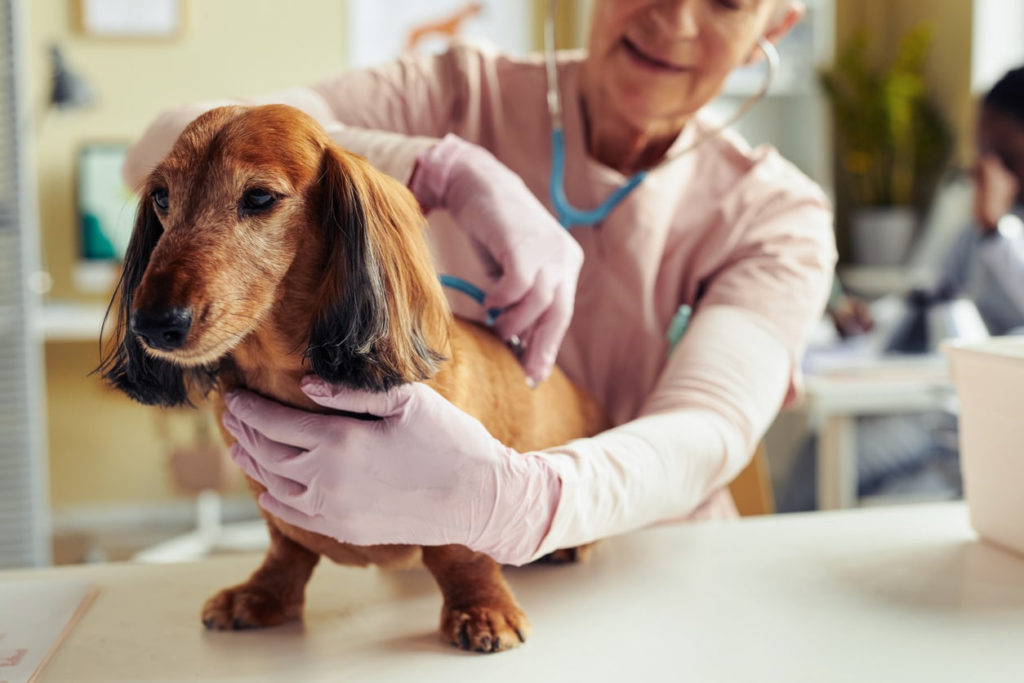
After age seven, your dog’s vaccines should be reviewed rather than repeated on autopilot. Rabies stays legally required in California, core DHPP usually continues on a three-year cycle or is guided by titer testing, leptospirosis is now considered core and given yearly, and lifestyle vaccines like Bordetella and canine influenza are matched to your dog’s current exposure and health, ideally at a twice-yearly senior exam.
Key takeaways
- Rabies remains required by California law at every age.
- Titer testing is most useful for consistently vaccinated senior dogs before a core booster.
- Kidney disease, immune-suppressing medication or past reactions change how and when vaccines are given.
- Twice-yearly senior exams mean vaccine decisions are made with recent bloodwork.
Most dog owners are pretty consistent about vaccines when their dog is young. The puppy series, the one-year booster, the annual or triennial adult schedule. It becomes routine. What tends to get less attention is what happens to that schedule when a dog crosses into their senior years, and whether the same approach that worked at two or four years old is still the right one at eight or ten.
The answer is that it depends, and that answer is more useful than it might sound. Senior dogs do not automatically need fewer vaccines or more vaccines than adult dogs in their prime. They need a more individualized conversation about which vaccines still make sense given their age, their current health status, their lifestyle, and how their immune system is functioning. That conversation is one that most dog owners are not having at annual vet visits, and it is one that is worth having before assumptions carry the vaccine schedule forward on autopilot.
If your dog is approaching or already past seven and you have not had a specific conversation about how their senior dog vaccination in Encino schedule might need to change, this guide covers everything worth knowing before the next appointment.
Why Seven Is the Age That Changes Things
Seven is not a magic number, but it is a reasonable threshold for most medium-sized dogs where the conversation about age-appropriate care starts to shift. Larger breeds enter their senior years earlier. A seven-year-old Great Dane is genuinely in a different life stage from a seven-year-old Chihuahua, and their medical needs reflect that.
For vaccine purposes, the senior threshold matters for two reasons. First, the immune system changes with age. Senior dogs may mount a different immune response to vaccines than younger dogs, and some research suggests that repeatedly boosting dogs who already have adequate immunity may not be necessary and may carry a small incremental risk for dogs with certain health conditions. Second, senior dogs are more likely to have pre-existing health conditions that affect how vaccine decisions are made, including kidney disease, immune-mediated conditions, or medications that interact with vaccine timing.
Getting a proper senior dog wellness exam in Encino before making any changes to a vaccine schedule is the right starting point. The bloodwork, organ function assessment, and physical examination that happen at a senior wellness visit give the vet the information they need to make individualized vaccine recommendations rather than defaulting to whatever protocol the dog has been on since they were two.
What Stays the Same After Seven
Before getting into what changes, it is worth being clear about what does not change, because there are a few things that remain consistent regardless of age.
Rabies vaccination is the clearest example. California law requires rabies vaccination for all dogs regardless of age, health status, or lifestyle. A senior dog is not exempt from this requirement. A three-year rabies product used after the initial series continues to be appropriate for most senior dogs, and the certificate issued after vaccination is a legal document that many boarding and grooming facilities require regardless of the dog’s age.
The core vaccine conversation also continues into the senior years, though the approach to it may become more nuanced. DHPP, the combination vaccine covering distemper, hepatitis, parvovirus, and parainfluenza, has been given on a three-year cycle for most adult dogs under current AAHA guidelines. For senior dogs with no prior vaccine reactions and no significant health conditions, continuing on a three-year cycle is generally appropriate. What may change is whether titer testing becomes a more useful alternative to automatic boosters for a dog who has been consistently vaccinated throughout their life.
Where the Vaccine Conversation Changes for Senior Dogs
The lifestyle vaccine conversation is where the most meaningful changes tend to happen after a dog turns seven, and it is the area where individual assessment matters most.
Bordetella, the kennel cough vaccine, is worth reassessing based on your senior dog’s actual exposure. A dog who used to attend doggy daycare regularly but now stays home most of the time has a different exposure risk from the same dog at three years old. A dog who has stopped boarding or attending group training may not need annual Bordetella boosters with the same frequency as before. The conversation should reflect where the dog’s life actually is now rather than where it was when the vaccine schedule was originally set up.
Leptospirosis needs a specific mention because the guidance changed. In 2024, AAHA updated its guidelines to recommend leptospirosis as a core vaccine for all dogs, regardless of size, breed, location, or lifestyle, given yearly. Senior dogs who spend time in parks, near standing water, or around wildlife in the San Fernando Valley have obvious exposure, but the recommendation also covers dogs who now spend most of their time at home. If your senior dog has kidney disease or a history of vaccine reactions, ask your vet how to time it rather than skipping it.
Canine influenza is worth discussing for senior dogs who still have regular contact with other dogs. Senior dogs may be more susceptible to respiratory complications from influenza than younger dogs, which actually strengthens the case for the vaccine in dogs with ongoing social exposure rather than weakening it.
The key point across all of these is that lifestyle vaccines should be reviewed against your dog’s actual current lifestyle rather than automatically continued or automatically discontinued. A dog wellness exam in Encino that includes a lifestyle conversation is the right setting for this review.
Titer Testing for Senior Dogs: When It Makes the Most Sense
Titer testing, the blood test that measures existing antibody levels against specific diseases, is worth discussing specifically in the context of senior dog care because it is the group where it adds the most value.
A senior dog who has been consistently vaccinated throughout their life has had many years of immune stimulation from core vaccines. The likelihood that they are carrying adequate protective immunity is high, and confirming that through a titer test before administering another booster is a reasonable, evidence-based approach rather than a reflex vaccination.
For senior dogs with early kidney disease, immune-mediated conditions, or those on medications that affect immune function, titer testing allows the vet to assess whether boosting is actually necessary before adding any further immune stimulation. This is a meaningful distinction from the alternative of simply continuing whatever schedule the dog has been on.
Titer testing does not replace the rabies vaccine, which is legally required regardless of titer results. And it does not apply to Bordetella or leptospirosis, where the science around antibody levels and protection is less straightforward. But for core vaccines, it is a valuable tool that is particularly well suited to senior patients.
How Health Conditions Affect Vaccine Decisions in Senior Dogs
This is the part of the senior vaccine conversation that gets the least attention and arguably matters the most. A senior dog with one or more health conditions is not the same vaccine patient as a healthy senior dog, and the approach should reflect that.
Kidney disease is common in senior dogs and affects how the body handles various medications and biological challenges including vaccines. Dogs with moderate to advanced kidney disease may benefit from a more conservative approach to vaccine scheduling, spacing vaccines out rather than giving multiple in a single visit, and prioritizing only those vaccines with the strongest justification based on actual exposure risk.
Dogs on immunosuppressive medications including steroids, cyclosporine, or chemotherapy agents should have vaccine decisions made in direct consultation with the vet managing those medications. Live vaccines are generally contraindicated in immunosuppressed patients, and the timing of any vaccine around medication schedules matters.
Dogs with a history of vaccine reactions need a specifically managed approach regardless of age. If your senior dog has had a documented reaction to any vaccine in the past, that history should be at the front of every vaccine conversation going forward. Ask your vet directly how prior reactions affect the plan for upcoming vaccines. The emergency pet care team in Encino sees the downstream consequences of unmanaged vaccine reactions, and managing them proactively at the vaccine appointment is always preferable.
The Role of Biannual Exams in Senior Vaccine Management
One of the most practical changes recommended for senior dogs is the shift from annual to twice-yearly wellness visits, and this change has direct relevance to how vaccine decisions are made.
A senior dog seen twice a year gives the vet twice the opportunity to assess current health status before making vaccine decisions. A dog whose kidney values were stable at the January visit but have shifted by July is in a different position for vaccine purposes than a dog whose values have been consistent. A dog who developed a new health condition between annual visits that would affect vaccine timing is identified at the six-month check rather than twelve months later.
Biannual visits also mean more recent bloodwork at the time of any vaccine decision, which gives the vet more current information about organ function and overall health than a twelve-month-old lab panel would. Scheduling senior pet care appointments in Encino twice yearly is the single most impactful change most senior dog owners can make for the overall quality of their dog’s health monitoring, and it directly improves the quality of vaccine decisions made within those visits.
What to Bring to Your Senior Dog’s Next Vaccine Appointment
Being prepared for the vaccine conversation makes the appointment more useful and ensures nothing important gets missed.
Bring a complete record of your dog’s prior vaccinations including dates and products used where available. If your dog has been seen at multiple practices over the years, compiling these records before the appointment gives the vet the full picture rather than a partial one.
Note any health changes since the last visit. Changes in appetite, water intake, energy level, mobility, or behavior are all relevant context for vaccine decisions in a senior dog and may not come up unless you raise them directly.
Ask specifically about titer testing as an option if your dog has been on a consistent vaccine schedule and is otherwise healthy. The conversation does not always happen unless the owner initiates it, and it is an entirely reasonable thing to raise.
The vaccine schedule that served your dog well through their adult years is worth reviewing rather than simply continuing on autopilot as they move into their senior life stage. The right approach depends on your specific dog, their current health, their lifestyle, and what their immune system is actually doing, not just what year their last booster was given.
Senior Dog Vaccination Is Not One Size Fits All
Keep reading: Veterinarian Near Me in Encino: Your Full-Service Local Vet
Sources
Encino Pet Hospital & Emergency, 17324 Ventura Blvd, Encino, CA 91316. Open 7 days a week, 7:30 AM to 7:30 PM, including holidays. Call (818) 922-2209. Serving Encino, Sherman Oaks, Tarzana, Woodland Hills, Studio City and the wider San Fernando Valley.
Frequently asked questions
Time to review your senior dog’s vaccine plan?
Book a senior wellness exam and we will review records, bloodwork and lifestyle before recommending any booster.