Can Dogs Get Depression? Signs, Causes and What Your Vet Can Do

Dogs are naturally joyful animals. They get excited about walks, playtime, and even the sound of a treat bag opening. So when your dog starts acting flat, withdrawn, or uninterested in things they normally love, it is hard not to worry.
The question many owners ask at that point is simple. Can dogs actually get depressed?
Yes, they can. Dogs experience emotional states that closely mirror what we recognize as depression in humans. And the signs are often clearer than owners realize once they know what to look for.
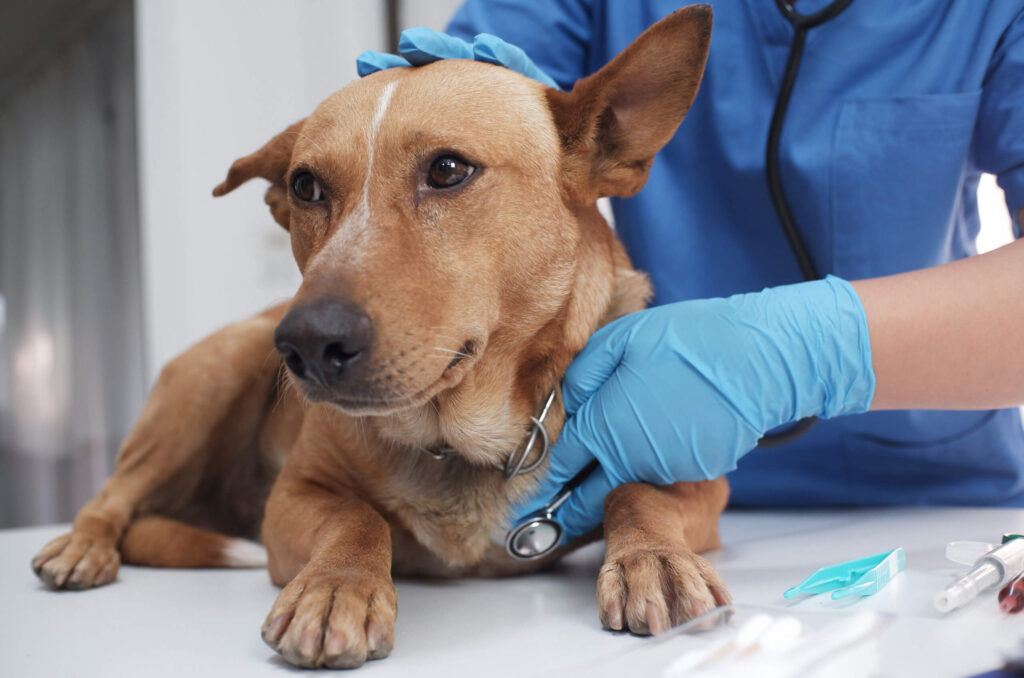
If your dog has been acting differently and you are not sure why, a visit to Encino Pet Hospital and Emergency is a good first step. A proper veterinary examination in Encino rules out physical causes and helps determine whether what you are seeing is emotional, medical, or both.
What Dog Depression Actually Looks Like
Dogs cannot tell you how they feel. Behavioral changes are the only window into their emotional state.
The tricky part is that many signs of depression look exactly like signs of physical illness. This is why a vet assessment always comes before any emotional diagnosis.
Common signs to watch for:
- Withdrawal from family or other pets they normally interact with
- Loss of interest in walks, play, or activities they previously enjoyed
- Eating significantly less or more than usual
- Sleeping more than normal or seeming lethargic throughout the day
- Excessive licking or chewing of paws without any physical cause
- Whining or vocalizing more than usual
- No reaction to things that would normally excite them
None of these signs is definitive on its own. A dog sleeping more might be physically unwell. A dog off their food might have a dental issue. Professional assessment always comes first
What Causes Depression in Dogs
Depression in dogs is almost always linked to a specific trigger. Identifying that trigger is the key to addressing it properly.
-
- Major life changes: Dogs thrive on routine and connection. Moving home, a change in work schedule, a new baby, or reduced attention can all affect a dog’s emotional state significantly.
-
- Loss of a companion: Dogs grieve. Losing another pet they were bonded with or a human family member, can trigger withdrawal and low mood that mirrors grief closely.
-
- Lack of exercise and mental stimulation: Dogs that don’t get enough physical activity or mental engagement become withdrawn and disengaged. High-energy breeds are especially vulnerable to this.
-
- Their owner’s emotional state: Dogs are highly attuned to the people around them. Research shows dogs pick up on human stress and sadness, and often mirror those emotional states in their own behavior.
-
- Underlying physical illness :This is the most important cause to rule out first. Pain, hormonal imbalances, and a range of physical conditions can present as behavioral changes that look exactly like depression.
A dog that seems depressed may actually be unwell. Addressing the physical condition often resolves the behavioral signs entirely. Dog wellness exams in Encino should always be the first step when behavioral changes appear. Getting a physical health check before assuming an emotional cause prevents missed diagnoses and gets your dog the right help faster
How Vets Assess Emotional Wellbeing in Dogs
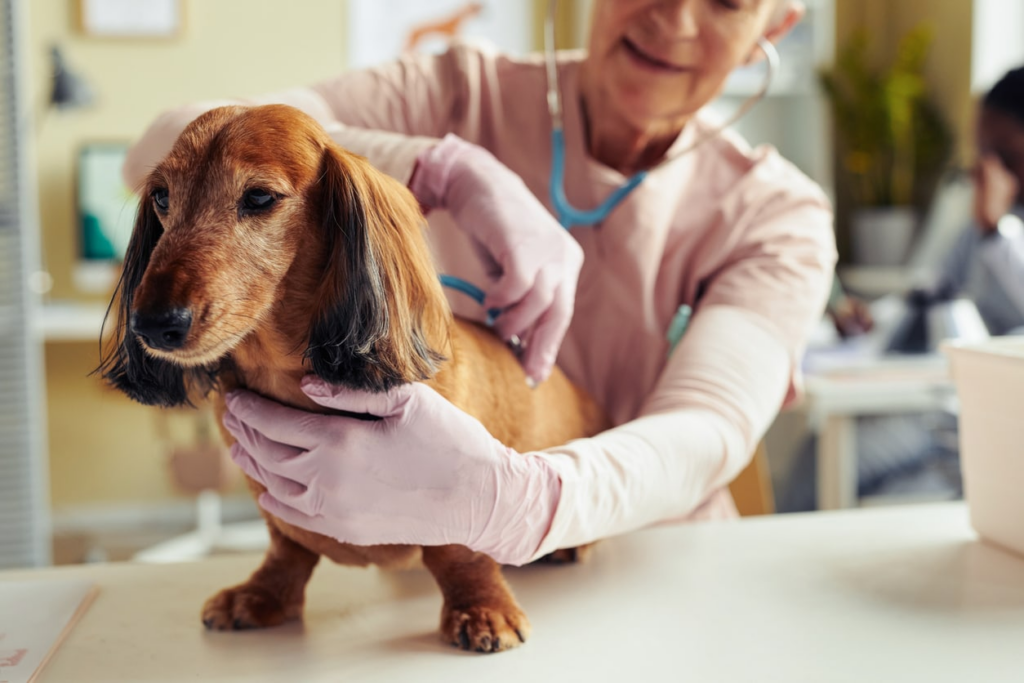
There is no blood test for depression in dogs. Diagnosis is a process of observation, history-taking, and ruling out physical causes.
At a veterinary assessment your vet will:
- Conduct a full physical examination to check for pain or illness
- Run blood panels to check organ function and hormone levels
- Ask detailed questions about when the changes started
- Review your dog’s daily routine, exercise levels, diet, and social environment
All of that context helps build a clear picture of what is driving the change.
In-house dog diagnostics in Encino at a well-equipped clinic mean faster answers, without the stress of traveling to multiple facilities while you wait
What Can Actually Help a Depressed Dog
Once physical causes have been ruled out or treated, these approaches genuinely help dogs going through emotional low points.
More exercise and enrichment
Physical activity is one of the most effective interventions for low mood in dogs. More frequent walks, off-leash play, and interactive toys all make a real difference. Many dogs show noticeable improvement within a few weeks of increased activity alone.
Consistent routine
Dogs thrive on predictability. Regular feeding times, consistent walks, and a stable daily structure provide a sense of security that directly supports emotional stability.
Social interaction
Some dogs respond well to more socialization, playdates, dog-friendly outings, or simply more engaged time with their owner at home.
Medication when appropriate
In cases where behavioral changes are significant and persistent, vets may recommend medication. Antidepressants used in veterinary medicine, including fluoxetine and clomipramine, have shown genuine benefit in dogs experiencing serious emotional distress.
Medication is always discussed following a proper assessment and used alongside behavioral interventions never as a standalone fix.
Addressing the root cause
Where a specific trigger can be identified, grief, a major change, reduced attention, addressing that trigger directly is always part of the approach. Sometimes the most effective thing is simply spending more intentional time with your dog.
When to See a Vet
If your dog’s behavior has changed noticeably and it has persisted for more than a week or two, get them checked out.
Do not wait to see if it passes on its own. This is especially important if the change involves appetite loss, significant lethargy, or any physical symptoms alongside the behavioral shift.
Encino Pet Hospital and Emergency offers comprehensive dog behavioral consultations in Encino alongside full physical assessments. You get a complete picture of what your dog is experiencing, and the right path forward to help them feel like themselves again.