
Finding a Trusted Vet in Encino: What to Look For
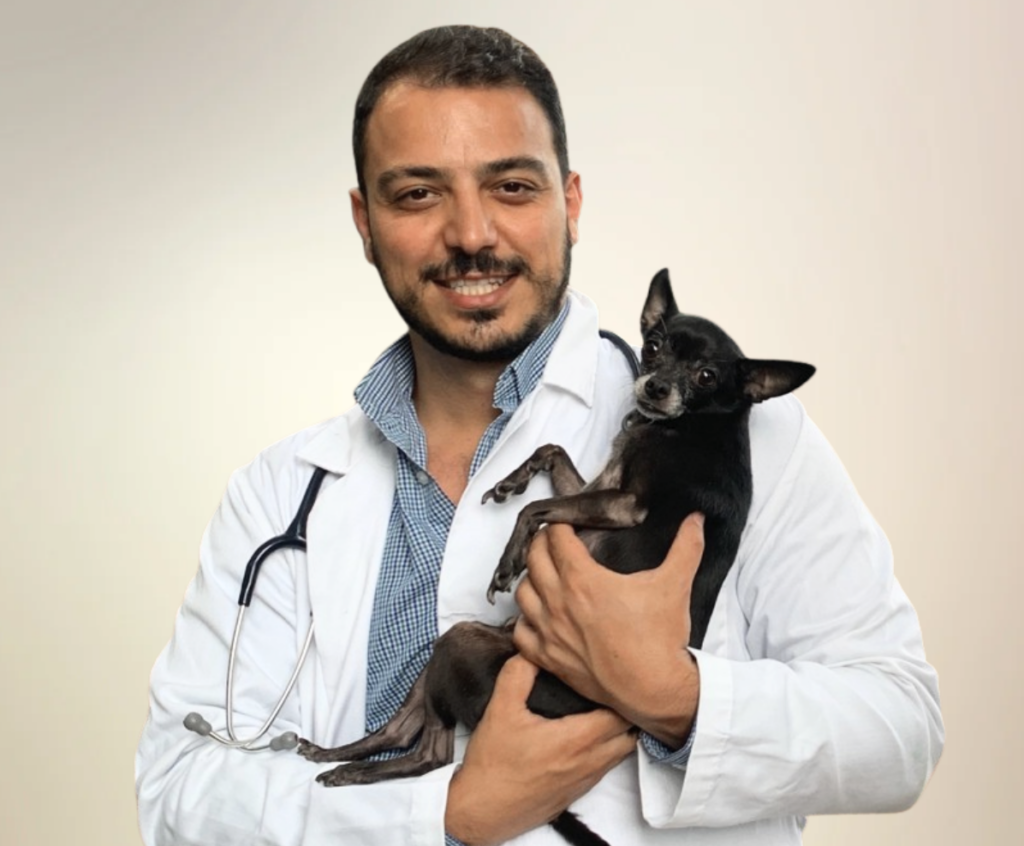
Choose an Encino vet that offers same-day urgent care, prompt diagnostics such as digital X-ray, ultrasound and lab testing, gentle low-stress handling, individualized vaccine plans and a proper senior care protocol. Encino Pet Hospital & Emergency on Ventura Blvd is open 7 days a week from 7:30 AM to 7:30 PM, including holidays.
Key takeaways
- Distance matters less than diagnostic capability, urgent-care access and how the team handles your pet.
- Same-day X-ray, ultrasound and lab work can take your pet from exam to diagnosis in one visit.
- A good first visit feels unhurried: the vet explains findings and asks about your pet’s life at home.
- Senior pets need twice-yearly exams with age-specific bloodwork, not a stretched adult checklist.
Finding the right vet is one of those decisions that feels straightforward on the surface and turns out to be more involved than expected. Type a veterinarian near me into a search engine and you will get a list of clinics sorted by distance. But proximity is only one piece of the picture, and for most pet owners it is not even the most important one. The vet you choose becomes a long-term partner in your pet’s health, someone who knows your animal’s history, catches things early, and gives you honest guidance when decisions get difficult.
For dog and cat owners in Encino and the surrounding San Fernando Valley, there are enough veterinary options available that the choice matters. This guide covers exactly what to look for when evaluating a vet in Encino, what questions are worth asking before the first visit, and how to tell the difference between a practice that is genuinely excellent and one that simply has good Google reviews.
If you are ready to book a veterinarian near you in Encino who takes a thorough, individualized approach to every patient, finding a practice that welcomes those questions from the very first call is the right starting point.
Credentials and Experience: What Actually Matters
Every licensed veterinarian in California has met a baseline standard of education and training. What varies significantly between practices is the depth of experience and specialization that goes beyond that baseline, particularly in areas that are most relevant to your pet’s specific needs.
For most dog and cat owners, a general practice vet with strong experience in wellness care, preventive medicine, dental disease, and soft-tissue surgery covers the vast majority of situations that will ever come up. What is worth looking for beyond the baseline is a practice whose lead veterinarian has specific training or experience in the areas most relevant to your pet’s life stage and health profile.
A practice led by a vet with emergency medicine experience, for example, is better equipped to handle urgent situations than one whose team has only ever practiced scheduled wellness care. A vet with specific training in diagnostic imaging, dental surgery, or senior care brings a depth of knowledge to those conversations that makes a meaningful difference in the quality of the guidance you receive.
Fear-free certification is another credential worth understanding. The Fear Free organization trains veterinary professionals in specific techniques for reducing patient anxiety during visits, and the difference between a fear-free certified practice and a standard clinic is particularly significant for cats and for dogs with known anxiety around veterinary environments.
Equipment and Diagnostic Capability
What a clinic can do on the day of your visit has a direct impact on how quickly and accurately your pet gets diagnosed and treated, and it is worth understanding before you commit to a practice.
A clinic that can run digital X-ray, ultrasound, and laboratory testing the same day can move from examination to diagnosis to treatment plan in a single visit. When results take days to come back, the delay matters most in urgent situations, though it affects the quality of care in any context.
For pet owners in Encino who want a practice capable of handling everything from a routine wellness exam through to diagnostic imaging and surgery, diagnostic capability is one of the most practical factors to evaluate when choosing a vet.
How the Practice Handles Urgent and Emergency Situations
This is the question most pet owners never think to ask until they need the answer urgently, and it is worth having before that moment arrives.
Some general practice vets see urgent cases during regular hours on a same-day basis. Others have a strict appointment-only model that makes it difficult to be seen quickly when something unexpected comes up. And others operate with genuine emergency and urgent care capability built into their daily workflow, with same-day triage available every day of the week.
Knowing which category your chosen vet falls into matters because the alternative, driving to a 24-hour emergency hospital for something that could have been handled by your regular vet during business hours, is both more expensive and more stressful than it needs to be. A practice that can see your sick pet the same day you call, that answers the phone directly rather than routing you through an automated system, and that has the diagnostic equipment to work up an urgent situation properly is a meaningfully different option from one that tells you the next available appointment is in three days.
The First Visit: What It Should Feel Like
The first visit to a new vet tells you a lot about how the practice operates, and it is worth paying attention to the signals beyond whether your pet received good clinical care.
A practice that is doing things well starts the relationship before you even walk in the door. The phone call to book an appointment should be answered promptly by a real person who is helpful and willing to answer your questions without rushing. The intake process on arrival should feel organized rather than chaotic. The wait time should be consistent with what you were told when you booked.
In the exam room, the vet should spend time with your pet before diving into the examination, allowing the animal to settle and get comfortable rather than moving immediately into handling and assessment. This is particularly important for cats and for anxious dogs, and it is one of the clearest visible markers of a fear-free approach in action.
The examination itself should feel thorough rather than rushed. The vet should talk through what they are finding as they go, ask questions about your pet’s behavior and routine at home, and give you time to ask your own questions before the visit ends. A good vet treats the wellness visit as a conversation, not a checklist to get through as quickly as possible.
Senior Pet Care: A Specific Consideration Worth Evaluating
If your dog or cat is approaching or already in their senior years, the quality of a practice’s senior pet care approach is worth evaluating specifically rather than assuming it is covered by a general wellness protocol.
Senior pets have different monitoring needs from adult pets in their prime years. Biannual exams rather than annual ones, age-specific bloodwork panels, thyroid testing, blood pressure measurement, joint and mobility assessment, and cognitive evaluation are all components of a thorough senior wellness visit that go beyond what a standard adult exam covers. A practice that simply extends the adult exam protocol to older patients without adding these components is missing a significant part of what makes senior care valuable.
The quality of the end-of-life conversation a practice is willing to have with pet owners is also worth considering, particularly if your pet is already in their senior years. A vet who approaches quality of life honestly, who uses standardized tools to help owners make informed decisions, and who offers compassionate options including palliative care and humane euthanasia is providing care that goes beyond the clinical and into the genuinely supportive.
Vaccinations: More Than a Standard Checklist
The way a practice approaches pet vaccinations tells you a lot about how they think about individualized care versus protocol-driven medicine.
A practice that applies the same vaccination schedule to every dog or cat regardless of lifestyle, age, or health status is not using the full range of information available to them. Current AAHA guidelines recommend most core vaccines on a three-year cycle for adult dogs after the initial series. Leptospirosis, which AAHA moved to core in 2024, is given yearly, and lifestyle vaccines are assessed based on actual exposure risk. A practice that discusses your pet’s specific lifestyle before deciding which vaccines are appropriate is practicing a more thoughtful and evidence-based form of preventive medicine than one that simply runs through a fixed list at every annual visit.
Titer testing, the blood test that measures existing antibody levels as an alternative to automatic boosters, is another indicator of a practice that takes individualized vaccine decisions seriously. Not every pet needs every vaccine every time, and a vet who is willing to have that conversation is one who is genuinely prioritizing your pet’s health over a standardized routine.
Choosing a vet in Encino is a decision worth making thoughtfully rather than simply going with whoever is closest or whoever had the most available appointments when you first searched. The practice you choose becomes part of your pet’s life for years, and the relationship between a good vet and a well-cared-for patient is one of the most valuable things you can build for your dog or cat.
The Right Vet Makes Every Visit Better
Sources
Encino Pet Hospital & Emergency, 17324 Ventura Blvd, Encino, CA 91316. Open 7 days a week, 7:30 AM to 7:30 PM, including holidays. Call (818) 922-2209. Serving Encino, Sherman Oaks, Tarzana, Woodland Hills, Studio City and the wider San Fernando Valley.
Frequently asked questions
Looking for a vet you can trust in Encino?
Call us with your questions before you book. We are open 7 days a week, 7:30 AM to 7:30 PM, including holidays.