Is Anesthesia Safe for a pet’s dental cleaning? Answers by Dr. Ashkan
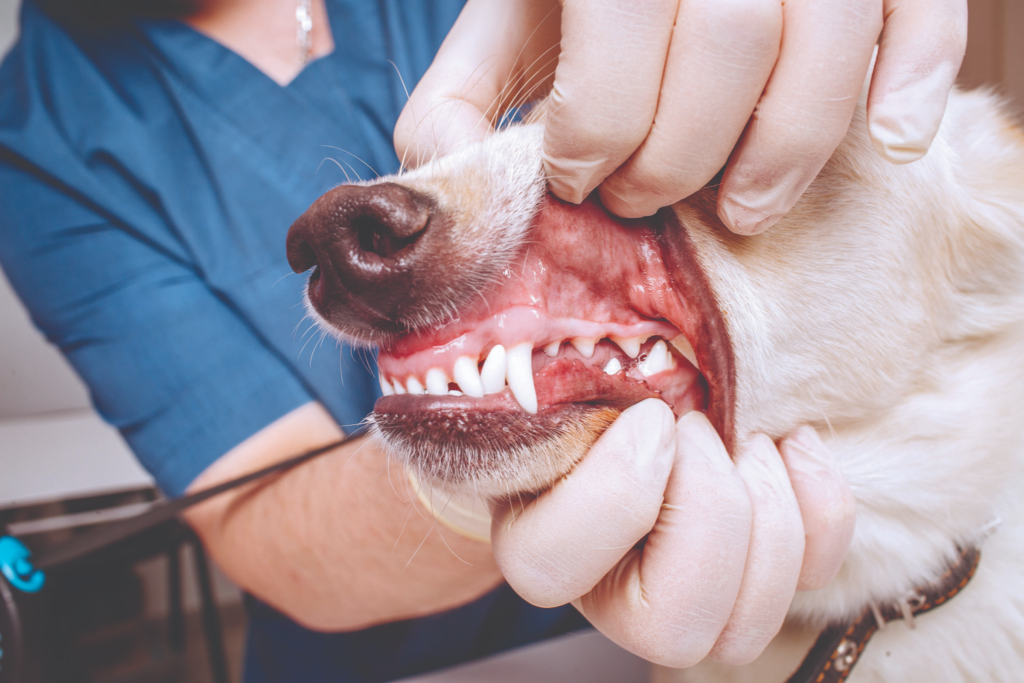
One of the questions I hear most often from pet owners in Encino is this: “Do you really need to put my pet under anesthesia just to clean their teeth?”
It is a completely fair question. The idea of general anesthesia can feel overwhelming, especially for owners of older pets or animals with known health conditions. And with so much conflicting information online, I understand why so many pet owners feel uncertain.
So I want to answer this honestly, not with reassuring platitudes, but with the straightforward clinical reasoning I share with every pet owner who sits across from me in the exam room.
If you have questions about your specific pet’s dental health or anesthetic risk, the team at Encino Pet Hospital and Emergency is always here to help. But first, let me walk you through what I tell my own patients’ owners every single day.
Why Anesthesia Is Necessary for a Proper Dental Cleaning
Let me start with the most fundamental point. A dental cleaning without anesthesia, sometimes marketed as “anesthesia-free dentistry”, is not a proper dental cleaning. It is a cosmetic procedure at best.
Here is why.
The part of your pet’s teeth that matters most for dental health is below the gum line. Tartar and bacteria accumulate in the gingival sulcus, the space between the tooth and the gum, and that is where periodontal disease begins and progresses. Accessing that area properly requires instruments that no conscious, awake animal will comfortably tolerate.
Beyond that, a proper dental assessment includes dental X-rays. These reveal what is happening at the root level and inside the bone, things that are completely invisible to the naked eye. Without anesthesia, dental X-rays are not possible.
When I perform a pet dental cleaning in Encino, my goal is not just to make your pet’s teeth look clean. My goal is to genuinely assess and treat the health of their entire mouth, including everything below the surface. That requires anesthesia. There is no way around it.
How We Assess Anesthetic Risk Before Every Procedure
This is where I want to be very direct with pet owners who are worried.
We do not put any animal under anesthesia without a thorough pre-anesthetic assessment. Every single dental patient at Encino Pet Hospital and Emergency goes through this process regardless of age or apparent health status.
What that assessment includes:
A complete physical examination on the day of the procedure
Pre-anesthetic blood work covering organ function, blood cell counts, and other key markers
Cardiac evaluation where indicated, particularly for older pets or breeds with known cardiac risks
A review of any existing health conditions and current medications
An individualized anesthetic protocol developed specifically for that patient
That last point matters enormously. There is no standard anesthetic protocol we apply to every patient. A healthy three-year-old Labrador gets a very different protocol from a fourteen-year-old cat with early kidney disease. The protocol is built around the individual animal every single time.
What Happens During the Procedure
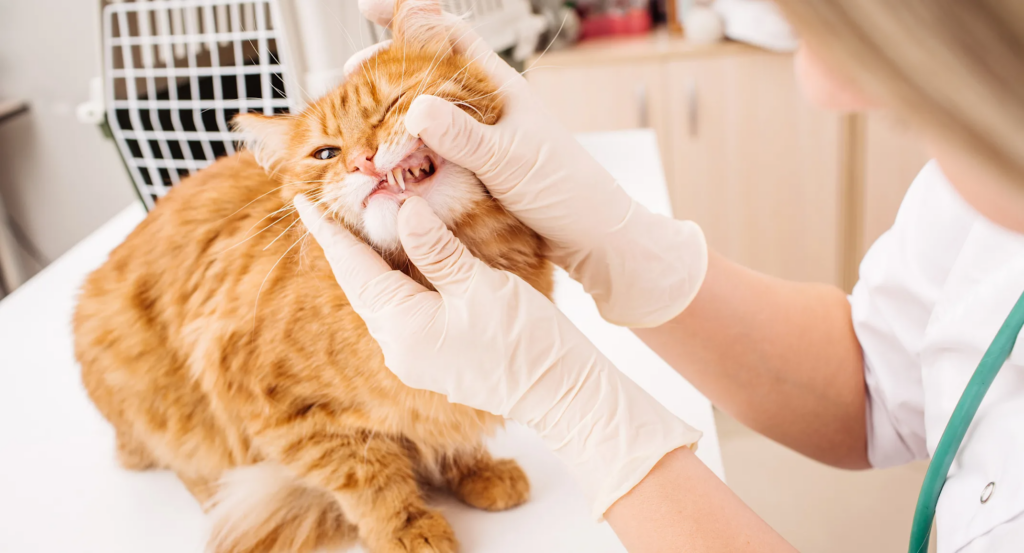
Once your pet is safely under anesthesia, here is what the dental procedure actually involves.
The first step is a complete oral examination, assessing every tooth, the gums, the tongue, and the oral mucosa for any abnormalities. Dental X-rays are taken to evaluate the roots and surrounding bone structure.
Scaling removes tartar and plaque from all tooth surfaces, including below the gum line where it matters most. Polishing follows to smooth the enamel surface and slow future plaque accumulation. Any teeth requiring extraction are addressed at this stage based on the X-ray findings and the clinical examination.
Throughout the entire procedure, a dedicated team member monitors your pet continuously. Heart rate, blood pressure, oxygen saturation, respiratory rate, and body temperature are all tracked in real time. We do not leave the monitoring to the equipment alone; a trained person is watching your pet every minute they are under.
Monitoring and Recovery: What Comes After
The procedure itself is only part of the picture. What happens immediately after matters just as much.
As anesthesia is reversed, your pet moves to a dedicated recovery area where they are monitored closely until they are fully conscious, stable, and comfortable. Pain management is addressed proactively, we do not wait for a pet to show signs of discomfort before managing it.
Most pets go home the same day. When you collect your pet, I or a member of my team will walk you through exactly what was done, what was found, any extractions that were performed, and what home care looks like going forward.
You will leave with clear written aftercare instructions and a scheduled follow-up if needed. Nothing is left vague.
Senior Pets and Anesthesia: A Common Concern
The concern I hear most often is about older pets. “My dog is twelve. Is anesthesia safe at that age?”
Age alone is not a contraindication for anesthesia. Health status is.
A healthy twelve-year-old dog with good organ function, no significant cardiac issues, and a well-managed weight is a very different anesthetic candidate from a ten-year-old dog with advanced kidney disease and a heart murmur. Age is a factor we consider, but it is one factor among many, not a deciding one on its own.
What I tell senior pet owners is this. The pre-anesthetic blood work and examination are there specifically to identify risk before we proceed. If the results show that anesthesia carries a risk we are not comfortable with, we will tell you honestly and discuss alternatives. We never proceed with a procedure we do not believe is in your pet’s best interest.
For senior pet care in Encino, this individualized approach is not just standard practice; it is the foundation of every decision we make.
Anesthesia-Free Dental Cleaning: Why I Do Not Recommend It
I want to address this directly because I know many pet owners have seen it advertised.
Anesthesia-free dental cleaning involves scaling the visible surfaces of a pet’s teeth while they are awake and restrained. It can make teeth look cleaner & does not address what is below the gum line. It does not allow for dental X-rays & does not permit a proper clinical assessment of the full mouth.
In my professional opinion, anesthesia-free dental cleaning provides a false sense of security. It gives the appearance of dental care without delivering the substance of it. And in some cases, improper scaling of conscious animals can cause micro-fractures in enamel that actually accelerate future damage.
If your pet needs their teeth cleaned, they need proper veterinary dental care, under anesthesia, with X-rays, conducted by a trained veterinary team.