
My Pet Is Shaking and Won’t Stop in Encino: What Does It Mean
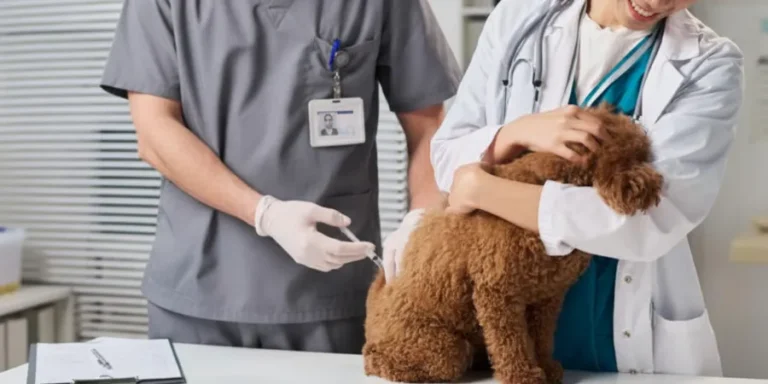
Shaking that is sudden, persistent or paired with any other symptom needs a same-day vet call. Go to an emergency vet immediately if trembling comes with pale or blue gums, breathing trouble, collapse, a seizure over two minutes, vomiting or possible toxin exposure. In Encino, call Encino Pet Hospital & Emergency at (818) 922-2209 for same-day triage, 7 days a week.
Key takeaways
- Shaking is a symptom, not a diagnosis: causes range from cold or anxiety to pain, low blood sugar, toxins and seizures.
- Cats shake less often than dogs, so trembling in a cat warrants concern sooner.
- Never give human pain relievers like ibuprofen, acetaminophen or aspirin to a pet.
- A same-day exam and bloodwork usually narrow the cause in a single visit.
If your pet is shaking and you cannot figure out why, the short answer is this: shaking that is persistent, sudden, or accompanied by any other symptom is worth a same-day vet call in Encino. It is rarely something to watch and wait on for more than a few hours, because the causes range from easily treated to genuinely urgent, and you cannot tell which you are dealing with without a clinical assessment.
This guide covers the most common reasons dogs and cats shake or tremble, which symptoms alongside shaking mean act now, and what the diagnostic process looks like when you bring a shaking pet in for assessment. The goal is to give you enough information to make a confident decision rather than sitting at home unsure whether to call.
Dr. Ashkan Farahany, Medical Director at Encino Pet Hospital and Emergency, sees shaking and trembling as one of the more commonly misread symptoms in veterinary medicine, precisely because it covers such a wide range of causes with very different levels of urgency.
What Shaking in Pets Actually Signals
Shaking or trembling in dogs and cats is a symptom, not a diagnosis. It is the body’s external expression of something happening internally, and what that something is determines everything about how serious the situation is and what needs to happen next.
The causes fall broadly into three categories. Physical causes, where the body is shaking in response to something measurable like cold, pain, or low blood sugar. Neurological causes, where the shaking originates from abnormal electrical or chemical activity in the nervous system. And toxic or metabolic causes, where something the pet has ingested or a systemic imbalance is driving the trembling.
Understanding which category your pet’s shaking falls into is the first thing a vet assessment establishes, and it is why describing what you observed carefully when you call makes such a significant difference to how quickly the right picture comes together.
Common Causes of Shaking in Dogs
Dogs shake for a wider range of reasons than most owners realize, and the context around the shaking is often as informative as the shaking itself.
Cold or anxiety are the most benign causes and the ones most owners think of first. A small breed dog who shivers in cool temperatures or trembles at the vet is showing a physiological or behavioral response that is not medically concerning on its own. The distinction between this kind of shaking and something more serious is usually the context. Anxiety shaking tends to resolve when the stressor is removed. Cold shaking resolves with warmth. Neither is typically persistent or accompanied by other symptoms.
Pain is a more commonly missed cause of shaking in dogs. A dog who is trembling but not in an obviously fearful or cold environment may be in pain. Back pain, abdominal pain, and joint pain can all present as persistent low-level trembling rather than obvious limping or vocalization. Dogs are instinctively good at masking pain, and shaking is one of the ways it surfaces without the owner immediately recognizing it as such.
Hypoglycemia, or low blood sugar, causes shaking that often comes with weakness, glassy eyes, and disorientation. It is most common in toy breeds, puppies, and diabetic dogs whose insulin dose has not been matched well to their food intake. This is an urgent situation that needs prompt veterinary attention and in some cases immediate glucose supplementation under veterinary guidance.
Toxin ingestion is one of the most serious causes of sudden onset shaking in dogs. Xylitol, found in sugar-free gum, peanut butter, and some baked goods, causes severe hypoglycemia and liver damage in dogs. Certain mushrooms, rat poison, and various household and garden chemicals can all produce trembling as an early symptom before more serious signs develop. If your dog has had any access to something unusual in the hours before the shaking started, that information is critical and should be shared immediately.
Seizures are a specific type of involuntary movement that can look like shaking but involves loss of awareness, paddling limbs, jaw chomping, and often loss of bladder or bowel control. A dog having a seizure for the first time, a seizure lasting more than two minutes, or multiple seizures within 24 hours represents an emergency situation that needs immediate veterinary attention.
Canine distemper and other infectious diseases can cause neurological tremors in unvaccinated or incompletely vaccinated dogs. This is one of the reasons keeping dog vaccinations in Encino current is genuinely protective rather than a formality. Distemper-related tremors tend to be progressive and are accompanied by respiratory or gastrointestinal symptoms earlier in the disease course.
Common Causes of Shaking in Cats
Cats shake less commonly than dogs, which means when a cat is trembling, the threshold for concern is generally higher from the start.
Hypothermia can cause shaking in cats who have been exposed to cold, particularly outdoor cats in cooler months or cats who have been wet. A cat who is shaking and cold to the touch needs warmth and veterinary assessment to confirm there are no complications.
Hyperthyroidism, which is common in senior cats, can cause muscle tremors and generalized shakiness alongside weight loss, increased appetite, and restlessness. A cat over ten who develops trembling without an obvious cause should have thyroid function assessed as a priority. This connects directly to the value of regular senior cat care in Encino where thyroid screening is a standard part of the biannual bloodwork panel.
Pain presents in cats through shaking similarly to how it does in dogs, though cats are even better at masking it. A cat who is trembling in a way that does not resolve with warmth or the removal of an obvious stressor and who is also hiding, eating less, or moving differently than usual is showing a combination of signals worth acting on promptly.
Toxin ingestion in cats is particularly serious because cats are more sensitive to a wider range of substances than dogs. Lilies, certain essential oils, permethrin-based flea treatments designed for dogs, and various household chemicals can all cause trembling and neurological symptoms in cats. Any suspected toxin ingestion in a cat is an emergency without exception.
When Shaking Means Go to the Emergency Vet Right Now
This is the most practical section of this guide and the one worth returning to when you are standing in your kitchen trying to make the call.
Go to the emergency pet clinic in Encino immediately if your pet is shaking and any of the following are also present:
- Pale, white, or blue gums
- Difficulty breathing or open-mouth breathing in a cat
- Collapse or inability to stand
- Suspected toxin ingestion of any kind
- A seizure that lasts more than two minutes or that repeats
- Vomiting or diarrhea alongside the shaking
- Extreme lethargy or unresponsiveness
- The shaking began suddenly and has not stopped for more than 30 minutes
Call your vet for a same-day appointment if the shaking is mild, your pet is otherwise alert and responsive, there is no suspected toxin exposure, and no other symptoms are present alongside the trembling.
When in doubt, call. A 60-second phone call to Encino Pet Hospital and Emergency gives you a clear direction from a real person who can help you triage the situation before you decide whether to drive in or monitor at home.
What Happens at the Vet When You Bring in a Shaking Pet
Knowing what the diagnostic process looks like helps you move through the appointment more efficiently and understand why certain tests are being recommended.
The physical examination is the starting point. The vet assesses gum color, heart rate, respiratory rate, blood pressure, abdominal palpation, neurological responsiveness, and muscle tone. Each of these findings narrows the list of possible causes significantly.
Bloodwork follows in most cases. A complete blood count and chemistry panel evaluates blood sugar, organ function, electrolytes, and signs of infection or inflammation. At Encino Pet Hospital and Emergency, these results are usually available during the same visit, which changes how quickly a treatment decision can be made.
Imaging may be recommended depending on what the examination and bloodwork suggest. A dog whose shaking may be related to abdominal pain benefits from X-ray or ultrasound to assess organ structure and identify any masses or abnormalities. The diagnostic imaging in Encino available at the practice means these images can usually be taken and reviewed the same day.
The vet will explain what they found and talk you through the options and costs before any treatment proceeds.
A pet that will not stop shaking in Encino is telling you something. Most of the time it is manageable and treatable. Sometimes it is urgent. The difference between those two outcomes often comes down to how quickly the right assessment happens.
If your dog or cat is shaking right now and you are unsure what to do, call Encino Pet Hospital and Emergency before making any other decision. The team answers the phone directly, seven days a week from 7:30 AM to 7:30 PM including holidays, and can help you decide in under a minute whether your pet needs to come in immediately or can be seen at a scheduled appointment.
Shaking Is a Signal Worth Taking Seriously
Keep reading: Finding a Trusted Vet in Encino: What to Look For
Encino Pet Hospital & Emergency, 17324 Ventura Blvd, Encino, CA 91316. Open 7 days a week, 7:30 AM to 7:30 PM, including holidays. Call (818) 922-2209. Serving Encino, Sherman Oaks, Tarzana, Woodland Hills, Studio City and the wider San Fernando Valley.
Frequently asked questions
Is your pet shaking right now?
Call before you decide. A real person answers and can tell you in under a minute whether to come in now.