
What to Do When Your Regular Vet Cannot See Your Pet
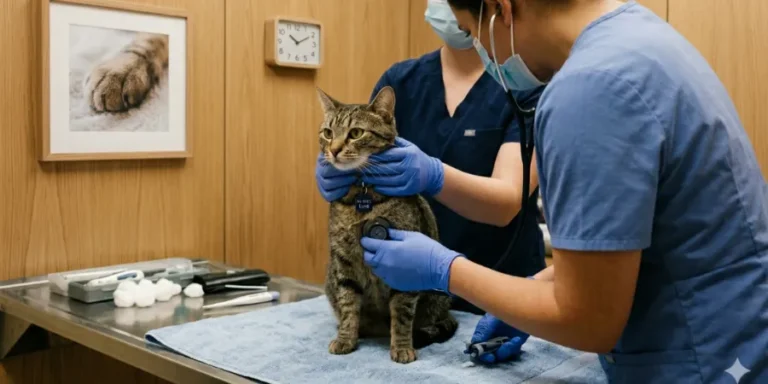
If your regular vet cannot see your pet, ask their team for phone triage, then call another clinic that accepts sick visits the same day. Go straight to emergency care for breathing trouble, collapse, heavy bleeding, straining to urinate or suspected poisoning. In Encino, Encino Pet Hospital & Emergency offers walk-in urgent care daily from 7:30 AM to 7:30 PM. Call ahead so the team can prepare.
Key takeaways
- A fully booked schedule does not make a serious symptom less urgent.
- Describe specific changes and a short timeline when you call; it speeds up triage.
- Do not delay emergency care waiting for records; they can follow.
- One visit elsewhere does not mean switching vets. Ask for the summary to go to your regular clinic.
If your regular vet cannot see your pet, request phone guidance and ask about another available clinic. Seek immediate emergency care for serious signs, including breathing trouble, collapse, or difficulty passing urine. For other concerns, call a nearby hospital to discuss appointment options.
A fully booked schedule can leave you feeling stuck, especially when your pet suddenly seems unwell. Your usual veterinarian knows their history, so visiting someone else may feel uncomfortable.
However, you can arrange another visit while keeping your regular vet involved. The following steps help you find care and avoid gaps afterward.
Call Your Regular Clinic and Explain What Has Changed
Start by explaining why your pet needs attention. Saying “my dog seems sick” gives the team less information than describing specific changes.
Mention when symptoms began and whether they are worsening. Explain changes in eating, drinking, activity, breathing, or bathroom habits.
Ask whether a staff member can assess how urgently your pet needs care. This process, called triage, helps identify appropriate next steps.
If the clinic cannot offer an appointment, ask about cancellations or a recommended alternative. Also check whether another veterinarian there is available.
When contacting a veterinarian in Encino, describe the same symptoms clearly. This helps the receiving team understand your concern before arrival.
Keep a brief timeline nearby during the call. Include your pet’s age, existing conditions, and current medications.
Know When Waiting Is Unsafe
An unavailable appointment does not make a serious condition less urgent. Some symptoms need emergency assessment rather than a cancellation list.
AAHA and the AVMA both publish warning signs that warrant prompt attention. They include breathing difficulty, bleeding, seizures, sudden weakness or unconsciousness, and being unable to urinate or urinating with pain.
Seek immediate veterinary help for signs such as:
- Trouble breathing, choking, or blue or gray gums.
- Collapse, loss of consciousness, or seizures.
- Severe bleeding or a major injury.
- Repeated straining with little or no urine.
- A swollen abdomen with repeated unsuccessful attempts to vomit.
- Suspected poisoning or swallowing a dangerous object.
This list does not cover every emergency. Contact a veterinary professional whenever you are unsure about your pet’s condition.
For breathing distress or collapse, start seeking emergency care immediately. Call ahead when possible, without delaying departure.
Tell the receiving hospital about suspected poisoning before arrival. Bring the product packaging if you can safely obtain it.
Ask About Same-Day and Walk-In Appointments
For concerns without obvious emergency signs, ask whether a same-day assessment is appropriate. Let the veterinary team guide that decision.
When calling a vet near you, confirm whether they accept new patients and sick visits. Ask whether an appointment or walk-in visit is preferred.
Explain that your usual clinic cannot see your pet. Mention any guidance that clinic already provided.
Encino Pet Hospital & Emergency offers walk-in urgent care and same-day sick visits. Call to confirm availability and arrival instructions.
An open hospital may still have a busy schedule. Ask what to expect, especially if your pet’s symptoms change while waiting.
Also ask whether the clinic can handle the concern you describe. Some cases need resources available at a different hospital.
Choose Care That Matches Your Pet’s Needs
Distance matters, but the closest clinic may not offer every required service. Ask about examination, testing, treatment, and referral options.
For example, a sick visit might involve laboratory testing or imaging. The veterinarian decides what is appropriate after assessing your pet.
Laboratory testing, digital X-rays, and ultrasound can help investigate illness. Ask which services your pet may need.
If an operation becomes necessary, discuss pet surgery in Encino and whether referral is needed. Confirm who would perform the procedure.
Also clarify whether continued monitoring requires another facility. A daytime hospital and an overnight emergency hospital serve different needs.
When contacting an emergency vet in Encino, confirm the hospital’s current hours and care capabilities.
Daytime urgent care is available daily from 7:30 AM to 7:30 PM. If your pet may need care overnight, ask how that will be handled before you leave.
Share Medical Records Without Delaying Urgent Care
Records help another veterinarian understand previous findings and treatments. Ask your regular clinic to send them directly to the receiving hospital.
Confirm the correct email address and provide consent if requested. Ask whether the records include recent test results and imaging reports.
Useful information includes:
- Current medications, doses, and the last dose given.
- Recent laboratory results and medical notes.
- Previous operations and ongoing health conditions.
- Vaccine history and known medication reactions.
- Contact information for your regular clinic.
Bring available records from your regular veterinarian. The receiving team can help request missing records when needed.
Do not postpone emergency care while waiting for paperwork. Tell the receiving team what you know and where records are held.
Bring medication containers or clear photographs of their labels. This can help avoid confusion about names and strengths.
Ask Whether Phone or Video Guidance Can Help
Your regular clinic may offer phone advice or a video consultation. Ask whether this would be suitable for the current concern.
AAHA and AVMA describe remote communication as a way to support care and follow-up. It can help determine whether an in-person visit is needed.
However, a remote conversation cannot provide every examination or test. It should not delay emergency treatment.
Explain what you hope to resolve through the call. You might need appointment guidance, medication clarification, or help arranging a recheck.
Ask whether photographs or a short video would be useful. Record them only when safe, without stressing your pet or delaying care.
Keep Your Pet Safe Before the Visit
Ask the receiving team for instructions while you arrange transport. Tell them about any medication already given.
Do not start a new medicine or home treatment without veterinary advice. Avoid inducing vomiting unless a veterinary professional specifically directs you.
AVMA explains that first aid supports pets until veterinary care becomes available. It does not replace professional assessment.
Ask whether you should offer food or water before arrival. Instructions can depend on your pet’s symptoms and planned assessment.
Use a secure carrier or suitable restraint during travel. If movement seems painful, ask the team how to transport your pet.
Have someone else call the hospital if you are driving. Keep your attention on reaching care safely.
Discuss Costs and Communication Early
Ask about the examination fee and how additional charges are explained. Request an estimate before approving tests or treatment.
A new clinic may recommend further testing after examination. Ask what each test would clarify and how results could affect treatment.
Tell the team about budget limits early. Ask which steps are most urgent and what options are available.
Also identify the person authorized to make treatment decisions. Provide a working phone number and remain reachable during the visit.
Before leaving, confirm whether results are complete or still pending. Ask who will contact you and when to expect an update.
Help a New Team Understand Your Pet
Tell the team about fear, handling preferences, or previous difficult visits. Ask how they can make the assessment more manageable.
Separate cat and dog waiting areas help limit stressful encounters. Discuss gentle handling and practical arrangements that suit your pet.
Dr. Ashkan Farahany, DVM, serves as medical director. He graduated in 2017 and has experience in emergency medicine.
You can ask any receiving veterinarian about their experience with your pet’s condition. Keep the conversation focused on the care needed.
Arrange Follow-Up With Your Regular Vet
Before discharge, request written instructions and a visit summary. Confirm medication directions, warning signs, and the recommended recheck date.
Ask the receiving clinic to send findings to your regular veterinarian. Include completed tests, prescribed medicines, and any pending results.
Then contact your usual clinic to arrange follow-up. Explain whether another hospital recommended a particular timeframe.
One visit elsewhere does not require permanently switching clinics. Clear communication helps both teams understand what happened and what comes next.
Have a Backup Plan Before the Next Unexpected Visit
Save your regular clinic’s number alongside daytime and overnight care options. Keep an accessible copy of your pet’s medication list.
When your pet needs attention, explain the symptoms and ask where they should be assessed. Confirm availability before traveling whenever possible.
If your usual clinic is unavailable, call Encino Pet Hospital & Emergency at (818) 922-2209 for current care options.
Keep reading: My Pet Is Shaking and Won’t Stop in Encino: What Does It Mean
Sources
Encino Pet Hospital & Emergency, 17324 Ventura Blvd, Encino, CA 91316. Open 7 days a week, 7:30 AM to 7:30 PM, including holidays. Call (818) 922-2209. Serving Encino, Sherman Oaks, Tarzana, Woodland Hills, Studio City and the wider San Fernando Valley.
Frequently asked questions
Your regular vet is booked? We can help today.
Walk-in urgent care and same-day sick visits, 7 days a week. Ask us to send the visit summary to your regular vet.